What is MiniKF and how does it work?
 Cloud computing and virtualization services are now increasingly used in business, various enterprises, and research activities.
Choosing Docker Container Clustering and Orchestration Services
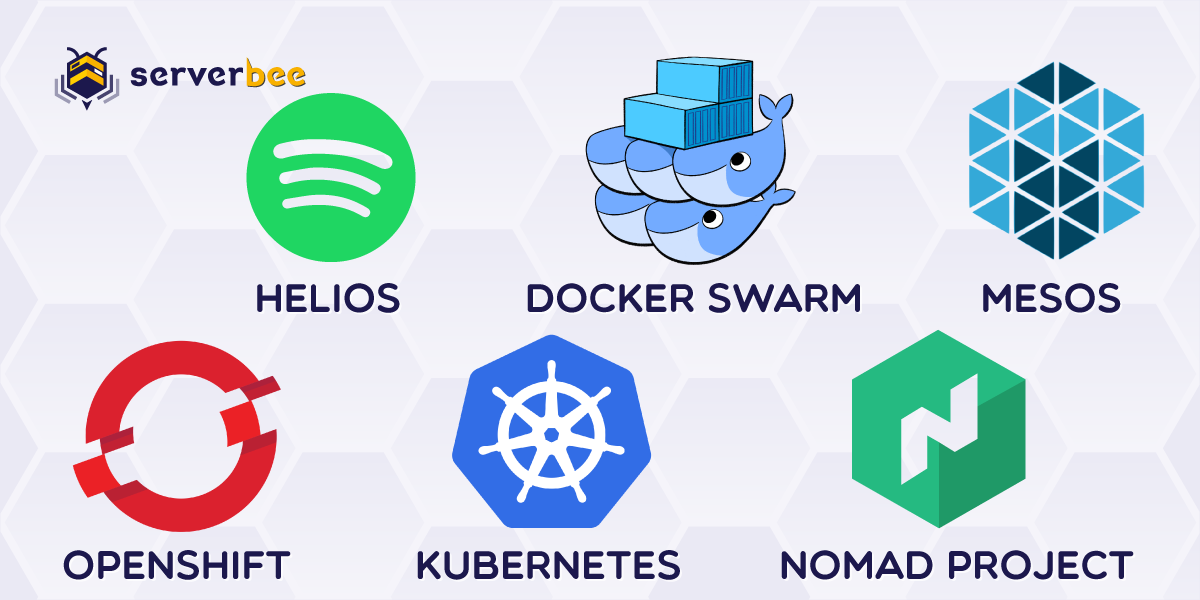 While Docker is an excellent open-source tool for containerizing software, on its own, Docker tools do not provide the complete solution to deploy applications with complex architectures. This is where integrated container clustering and orchestration services come into their own. Docker orchestration services provide the framework for managing containers over their lifetimes, from creation to decommissioning. A good service should make deployment straightforward, with useful service discovery and efficient networking features.
Why is Kubernetes so popular?
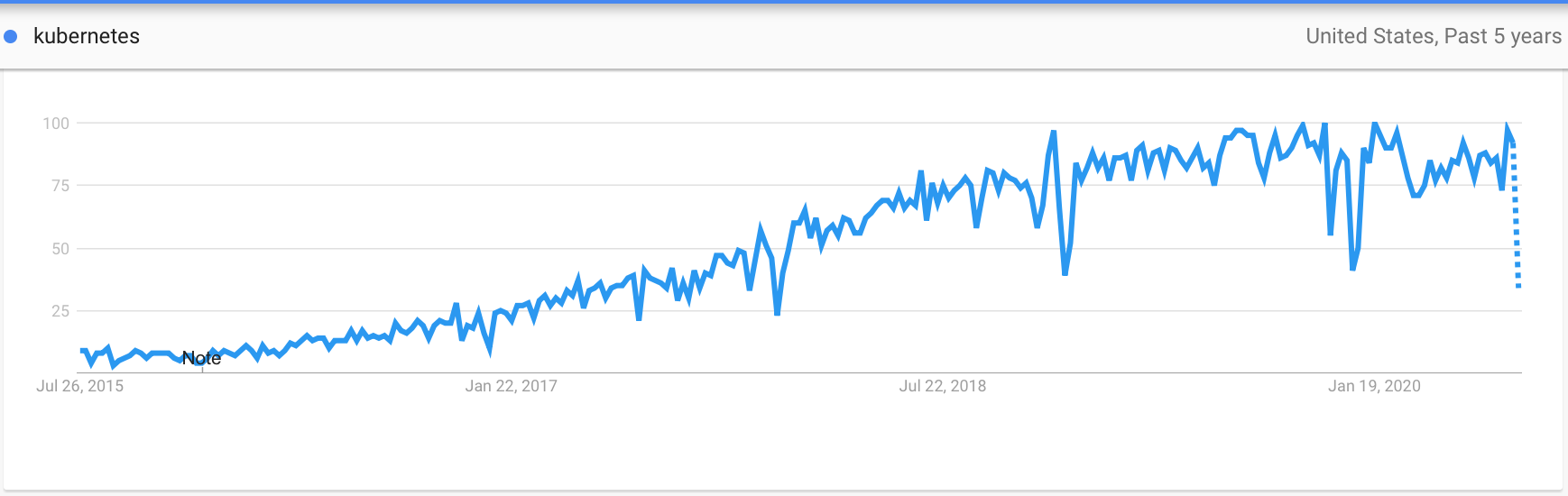 Kubernetes has revolutionized software development by bringing a simple way to take containers into the production process, eliminating the pain of deployment, and facilitating continuous integration as a practical and efficient option. Containers allow the isolation of the software development from the production environment, no longer does the development team need to be cognizant of the environment on which the end solution will operate. Indeed, the end solution can be deployed onto a range of different environments if necessary, without any need to worry over compatibility issues. These advantages bring with them reductions to both times and costs for development and deployment, a complete end-to-end win-win situation, and Kubernetes brings container orchestration to this party.
Kubernetes allows integrators to take the developed solution and will enable it to manage the deployment with no need to worry about the target infrastructure. Kubernetes as the container management system using the Docker container engine will automatically handle this.